
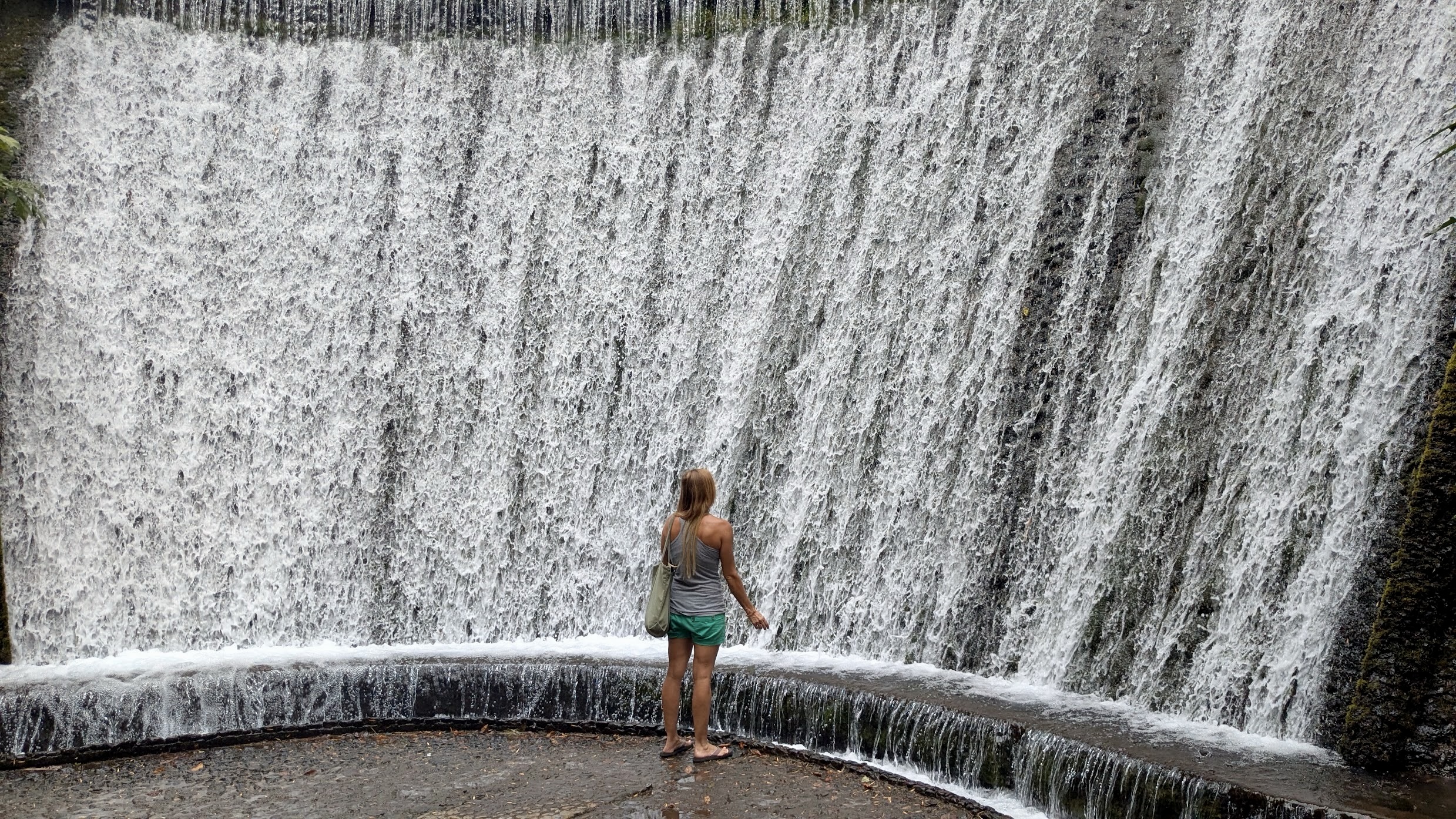
Ali and I recently visited the city of Uruapan, about a 3½-hour drive from Zihuatanejo. Uruapan is the second-largest city in the Mexican state of Michoacán, with a metropolitan population of roughly 350,000 people. Often called the “Avocado Capital of the World,” the city is the center of Mexico’s avocado industry. Michoacán is the only Mexican state currently authorized to export fresh avocados to the United States, and it produces around 80–85% of Mexico’s avocado crop. Mexico, in turn, supplies roughly one-third of all avocados consumed worldwide, making this region the heart of the global avocado market.
Ali and I were drawn to Uruapan for its pleasant mountain climate, with warm days, cool evenings, and easy access to some of Michoacán’s most beautiful natural areas. And, of course, we couldn’t pass up the opportunity to enjoy plenty of fresh guacamole made from Uruapan’s “green gold”—its famous avocados.
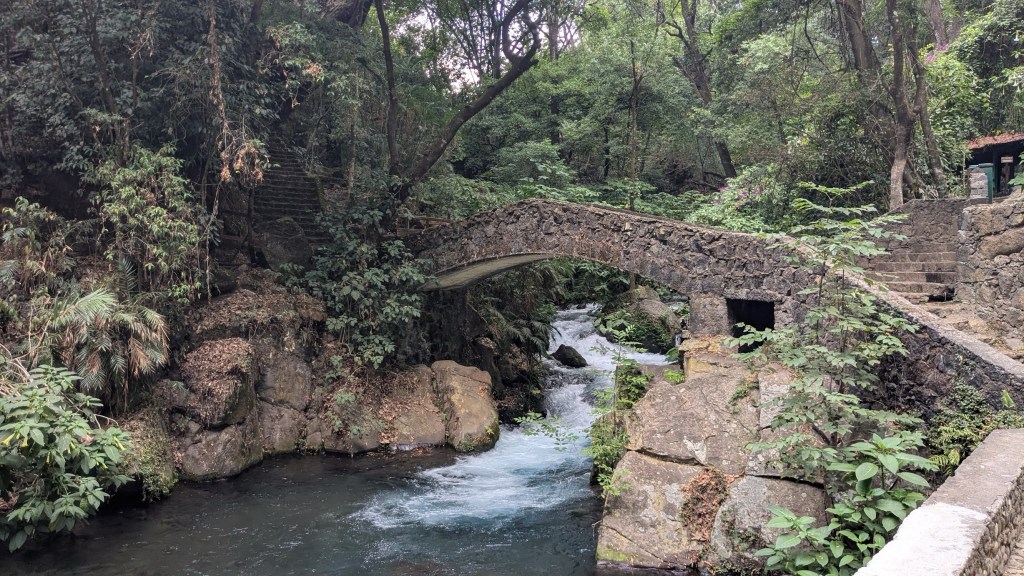

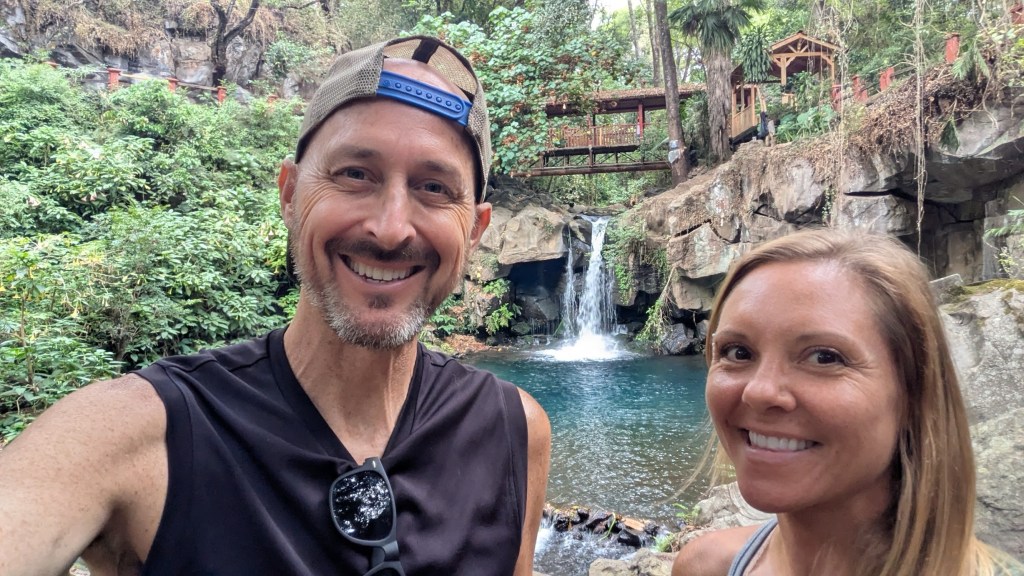
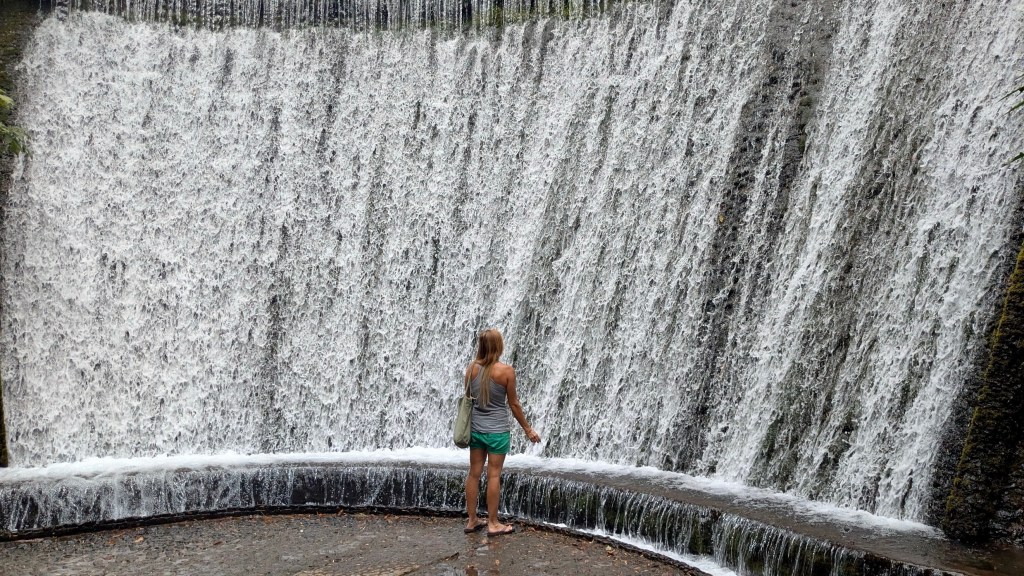
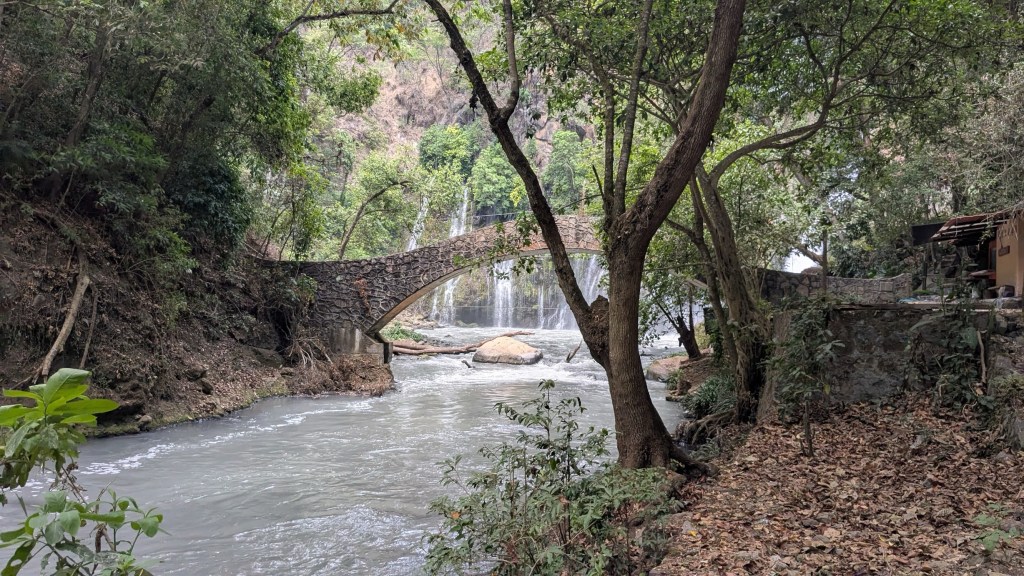
One of the city’s highlights is Barranca del Cupatitzio National Park, located right in the middle of Uruapan. Established in 1938, it is one of Mexico’s oldest national parks. The park is a maze of walking trails winding through lush vegetation, crystal-clear streams, waterfalls, and the headwaters of the Cupatitzio River. It’s hard to believe such a peaceful natural oasis sits in the center of a busy city.
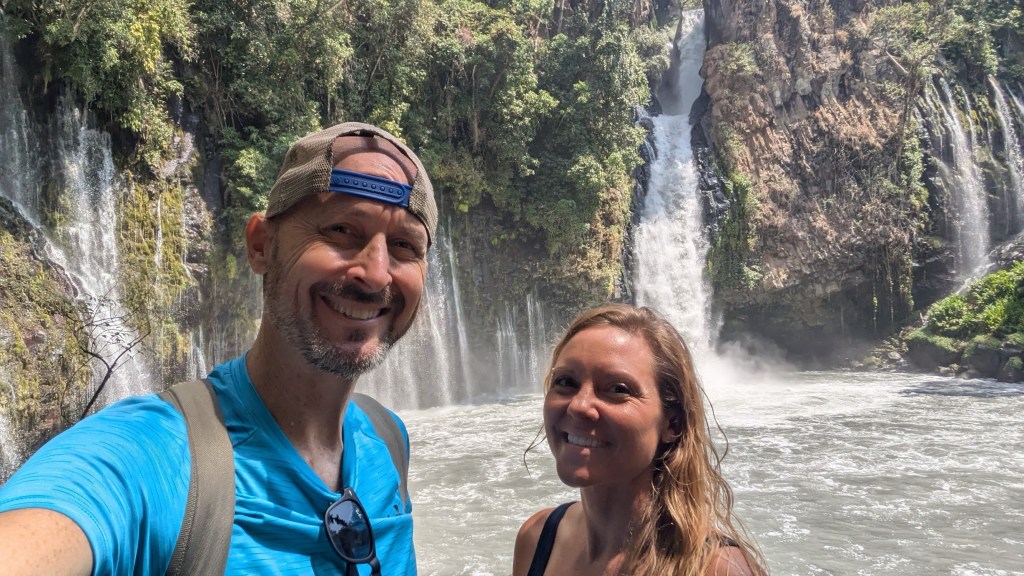
About 20 minutes outside Uruapan is La Tzaráracua, a beautiful waterfall surrounded by forest. A short hike leads down to the falls, making it an easy and worthwhile excursion for anyone visiting the area.


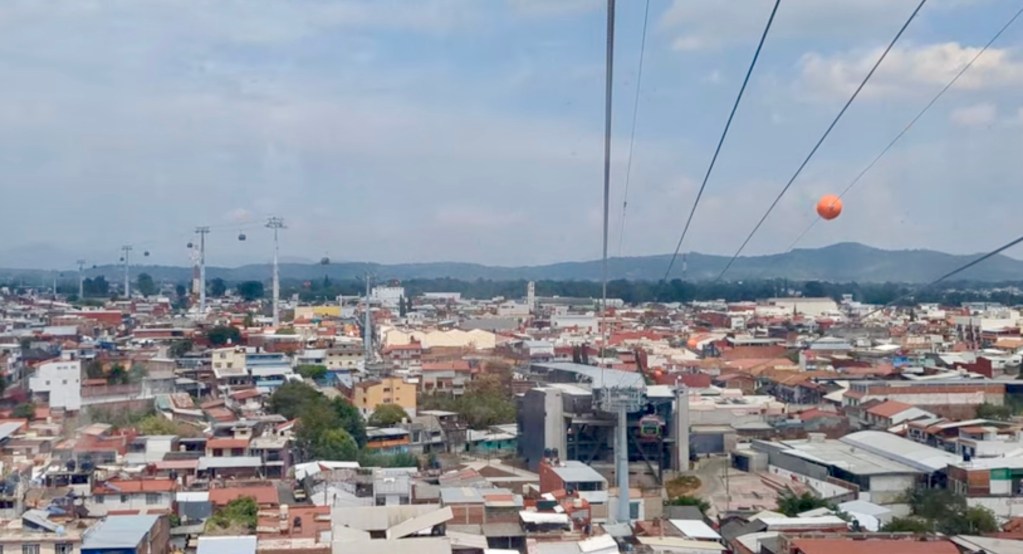
In April 2026, Uruapan inaugurated its new Teleférico, becoming just the third city in Mexico to build an urban cable car public transportation system. The 8.4-kilometer (5.2-mile) line includes six stations connecting several parts of the city, including Barranca del Cupatitzio National Park and the city’s airport. The cabins operate daily from 5:00 a.m. until 11:00 p.m., and at just 11 pesos per ride, it’s one of the most affordable and scenic ways to get around. Besides offering spectacular views, the Teleférico helps reduce travel times across Uruapan’s hilly terrain while easing traffic congestion.



One pleasant surprise was seeing several familiar American businesses throughout the city, including Walmart, Sam’s Club, and a variety of U.S. fast-food restaurants. Combined with Uruapan’s modern shopping centers and comfortable climate, the city felt both authentically Mexican and surprisingly familiar.
Another trip to Uruapan is definitely in our future because we still want to visit Parícutin Volcano, located about 90 minutes away. Parícutin is one of the youngest volcanoes on Earth and one of the few whose entire life cycle has been witnessed and scientifically documented. It suddenly emerged from a cornfield in 1943, eventually growing to nearly 1,400 feet (424 meters) above the surrounding landscape before becoming dormant in 1952. The eruption buried two villages beneath lava and ash, leaving only the bell tower and part of the sanctuary of the San Juan Parangaricutiro Church rising above the hardened lava flows. Today, hiking or horseback riding across the lava fields to these remarkable ruins is one of Michoacán’s most unforgettable experiences.
Whether you’re looking for cooler weather, beautiful parks, unique public transportation, or incredible natural history, Uruapan is a destination that deserves far more attention than it receives. We certainly left wanting to come back.