
The Peso, abbreviated as MXN, is one of the oldest currencies in the Americas, dating back to the early mid 1800’s. It replaced the Real, the Spanish currency that that was in place during the 16th century into the early 1800’s.
Peso means weight in Spanish, which was originally used as a reference to the weight in gold or silver of the coins . This is a common name, as a half dozen other Spanish speaking countries call their currency peso, and the British currency is the pound. There was a lot of weighing money in grocery stores 300 years ago!
Fun side story, the word dollar is a translation from “valley” in German. In Bohemia in 1520 they named their coins after the town, Thaler, T-H-A-L-E-R, in which they were minted. Thaler was then converted to a local version of the word and used by 15 other countries in naming their currency, including dollar in English.
The current Mexican peso is actually the nuevo peso, the new peso. From the late 1970’s to the early 90’s the original peso experienced hyperinflation; the peso went from 12 pesos per US dollar to 3,000 pesos per dollar. In 1993 the Bank of Mexico issued this new currency replacing the original peso at 1,000 to 1.
The new peso originally traded at about 3 pesos per US dollar with moderate inflation over the last 30 years. However, since 2020 the Mexican peso has been one of the best performing currencies in the world.
In 2023 the peso gave you the best return versus the US dollar, and was one of only five currencies that gained value on the US dollar in 2023.
And the peso is one of the top 10 traded currencies in the world. Since 1993 the peso has been a fairly stable currency, which if you are from a country like Argentina or Venezuela, you can probably really appreciate.


In 1997 Mexico stopped printing nuevo peso on the currency and just referred to it as peso, probably kind of like with New Coke, and then Coca-Cola classic, and now it’s just Coke.
Today, the Mexican peso plays a crucial role in the financial markets, especially in Latin America.
Its value is influenced by various factors, including Mexico’s economic performance, trade relationships, and global market trends.
The Peso’s exchange rate with the U.S and Canadian dollar is particularly significant, given the close economic ties between these countries.
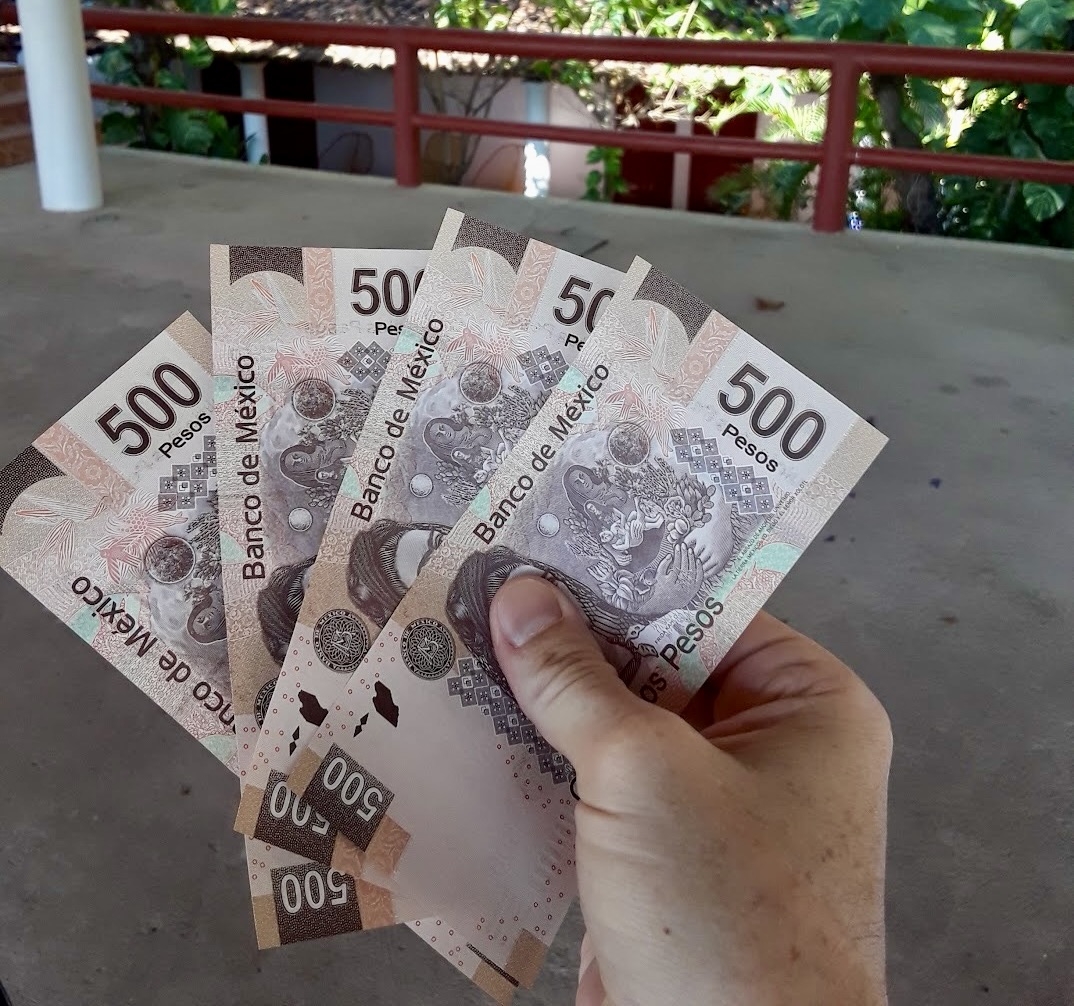
The Peso is also a reflection of Mexico’s cultural identity. The banknotes and coins of the Peso are adorned with images of Mexico’s heroes, historical events, and cultural symbols, serving as a daily reminder of the country’s rich heritage. The currency serves as a bridge between Mexico’s past and present. The paper currency is really colorful and interesting to look at.


I think this is pretty common outside of the United States, but the paper currency is all different sizes, and I’m almost positive the principal reason is to help vision impaired people differentiate between the bills. Not sure why the United States can’t figure this out.
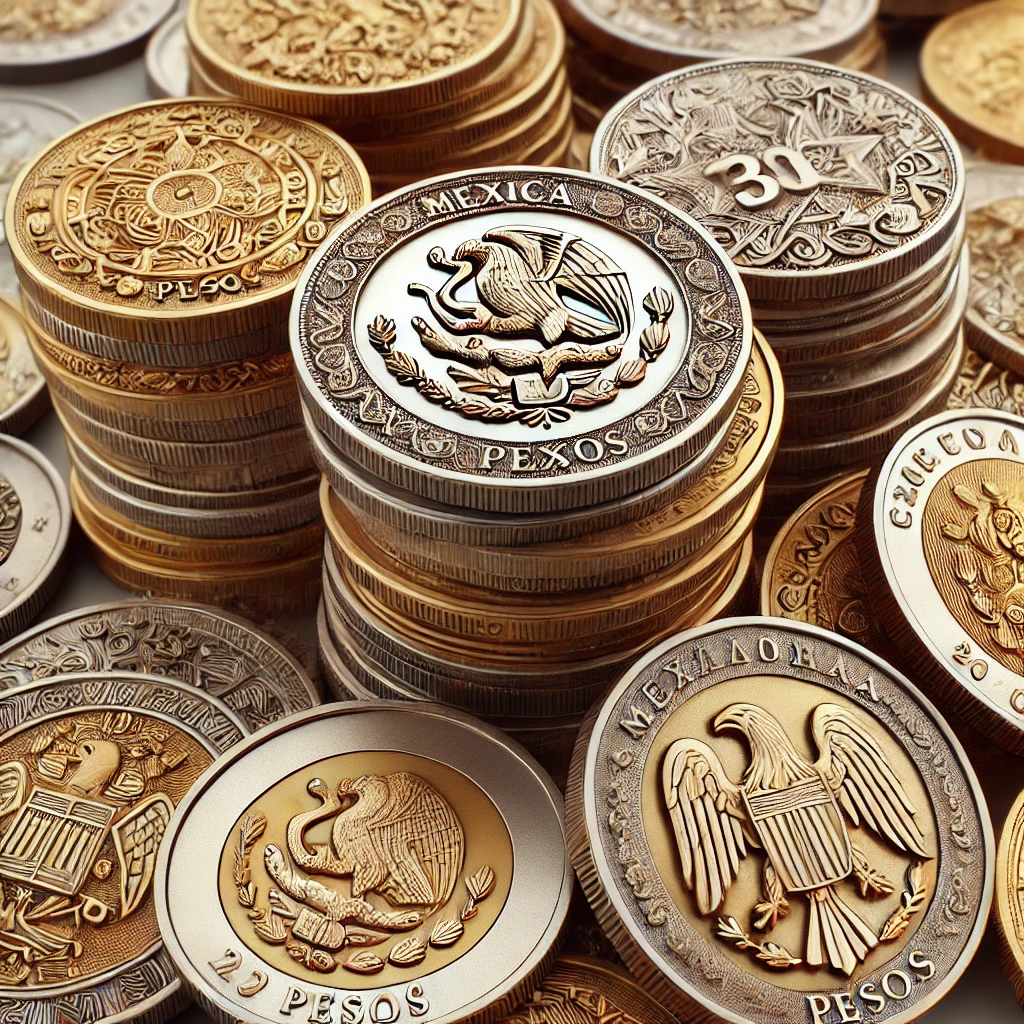
Since the new peso in 1993, like all currencies there have been several updates. The coins mostly have remain unchanged over the last 25 years, except for some commemorative coins that were minted about 15 years ago. They are all made of stainless steel, or aluminum bronze, copper, zinc and nickel.
The government started producing the most recent version of the paper currency between 2018 and 2021, adding more anti-counterfeiting measures to the bills. The 20, 50 and 100 are made of a polymer material, which has a better environmental impact as they last a lot longer than paper money, and are very difficult to counterfeit. The 200, 500, and 1,000 pesos notes are made of paper. The Bank of Mexico is prepared to make a 2,000 pesos note as well. This seems insane to me. Have you tried to pay for some 200 peso item with a 500 pesos note? It’s almost impossible to get change!